
Volleyball Shoes by Brand for Indoor Courts | Volleyball District
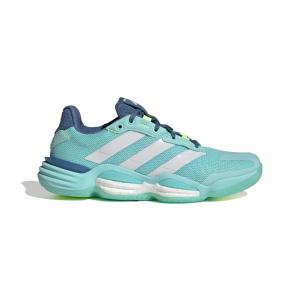
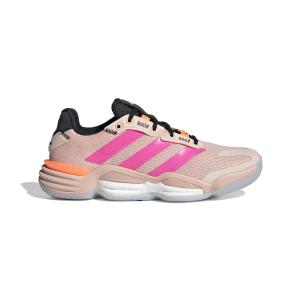
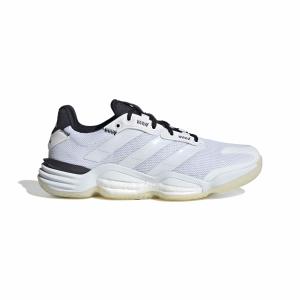
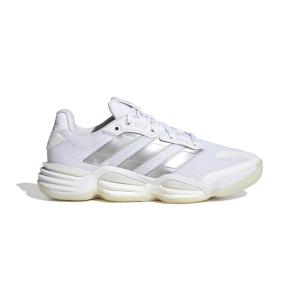
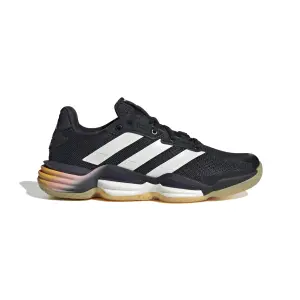
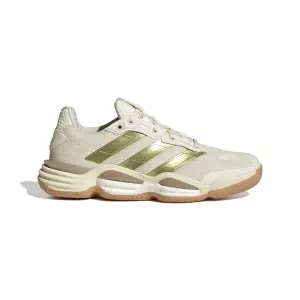
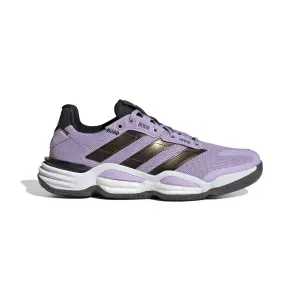
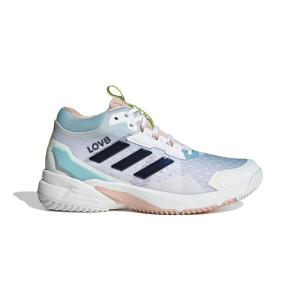
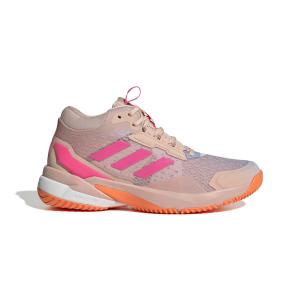
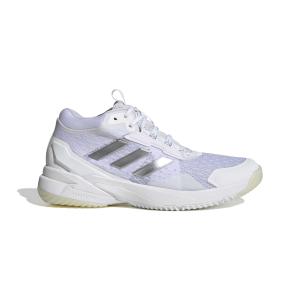
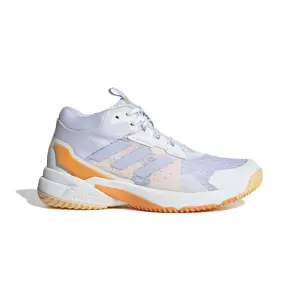
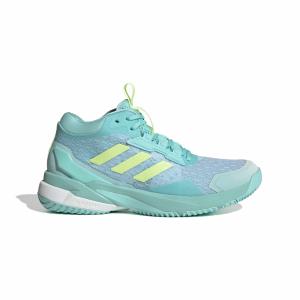

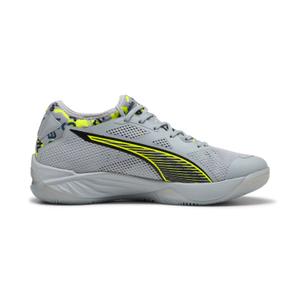
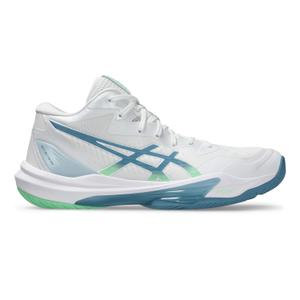
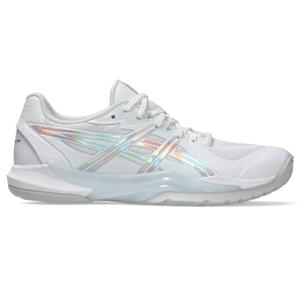
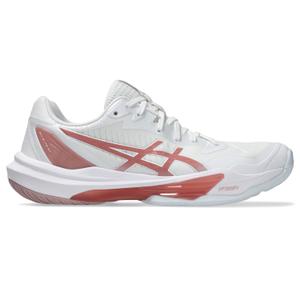
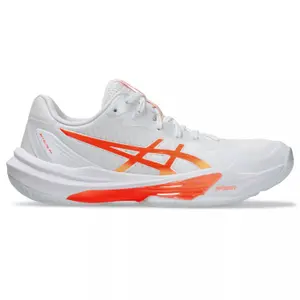
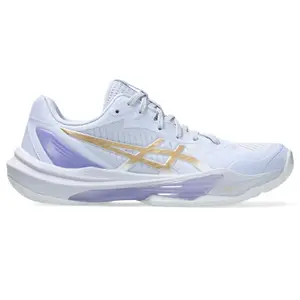
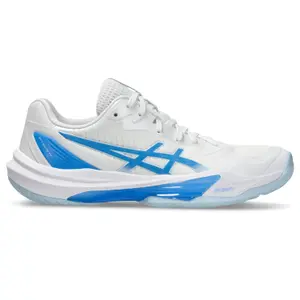
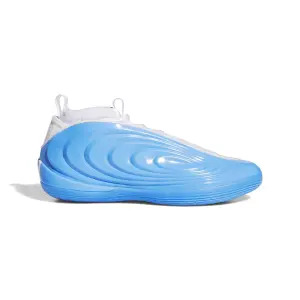
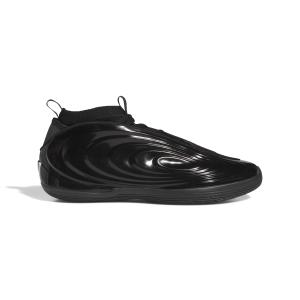
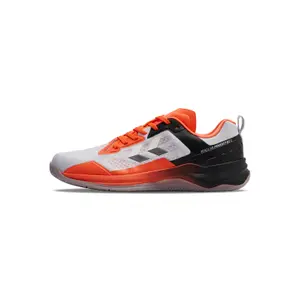
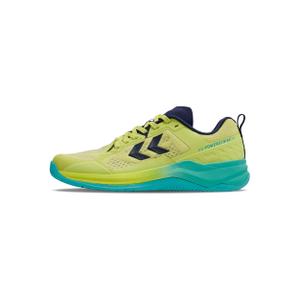
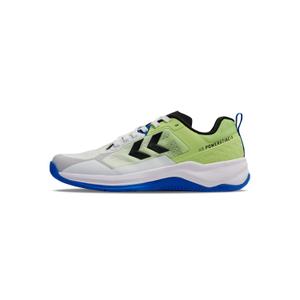
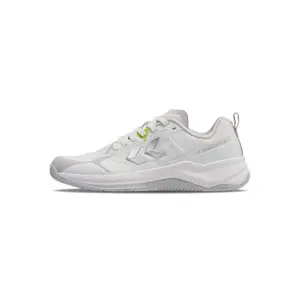
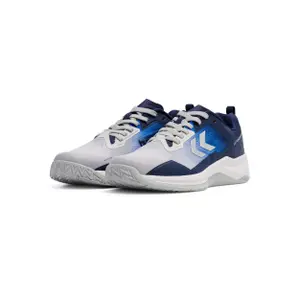
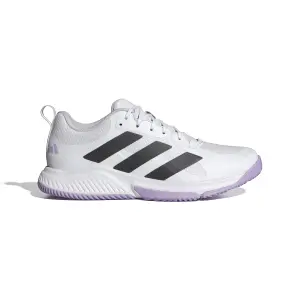

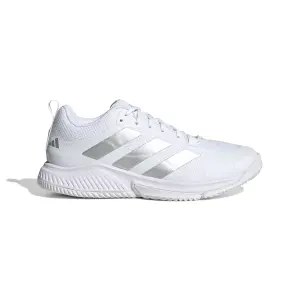
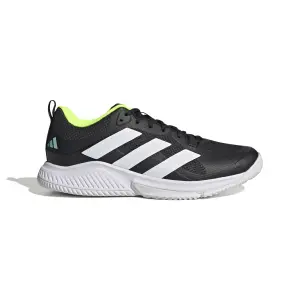
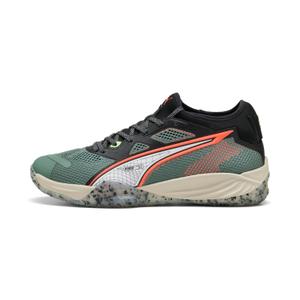
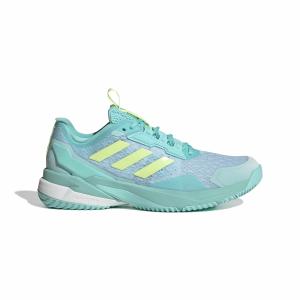
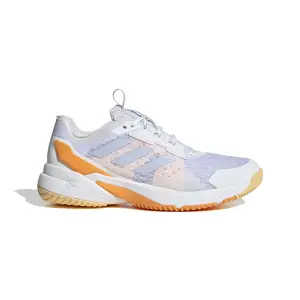
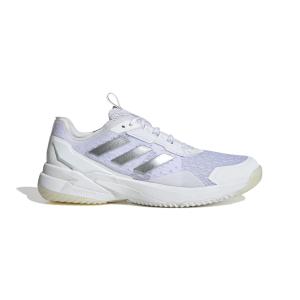
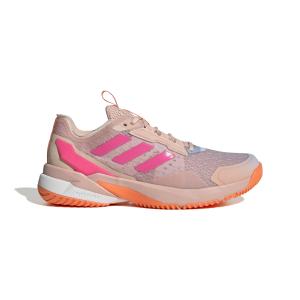
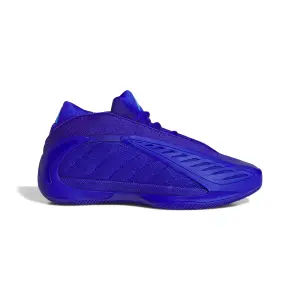
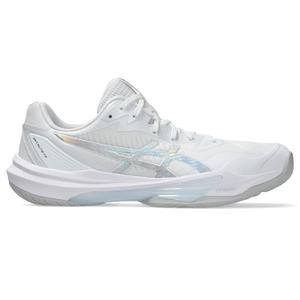
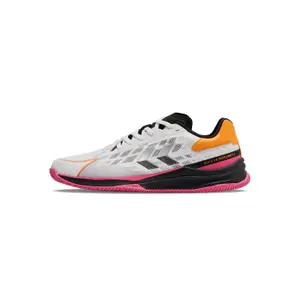
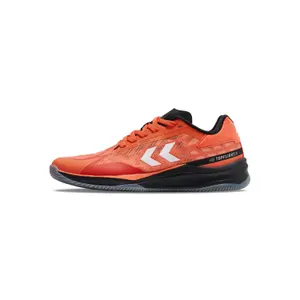
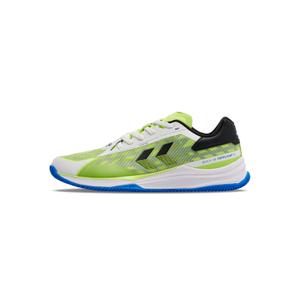
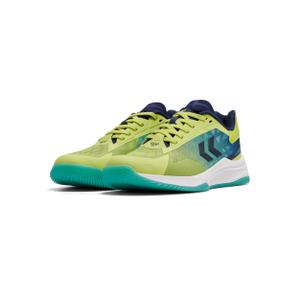
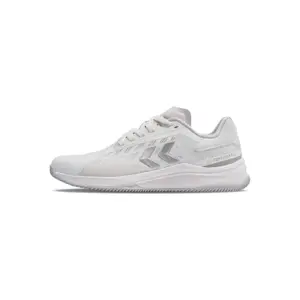
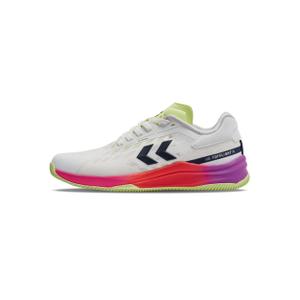
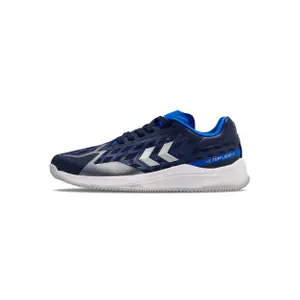
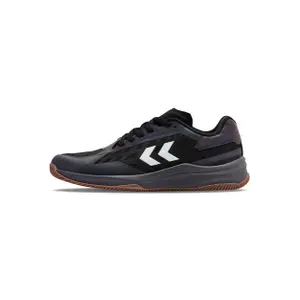

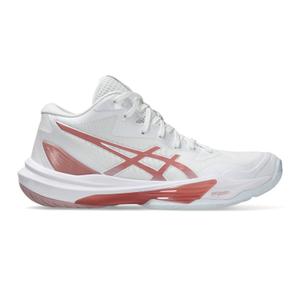
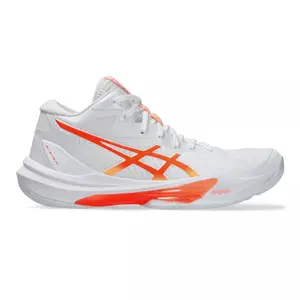
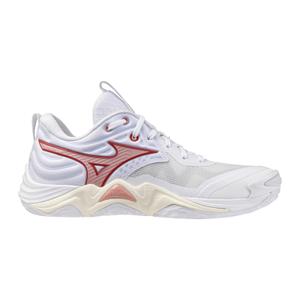
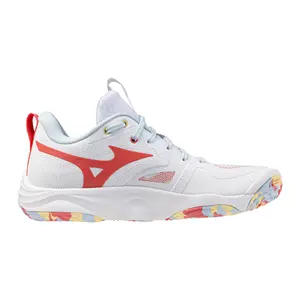
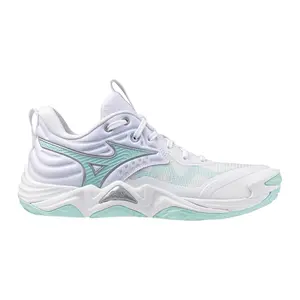
Volleyball shoes help you move fast and stay stable on the indoor court. Here you can compare trusted brands and find the right balance of grip, cushioning, and support for your position. Choose a pair that feels secure in quick shuffles, jumps, and hard stops.
Volleyball shoes built for indoor speed and control
A volleyball shoe is an indoor court shoe designed for traction, lateral support, and repeat jumping. It helps you cut, land, and transition with confidence while keeping your foot stable inside the shoe.
What you’ll find in Volleyball Shoes
- Nike volleyball and indoor court shoes with fast, responsive feel and secure support for quick transitions.
- Mizuno volleyball shoes known for stable platforms and a connected court feel many players trust for indoor play.
- ASICS volleyball shoes covering premium jump-focused models and dependable training options across different needs.
- adidas indoor court shoes used by many volleyball athletes who want a lightweight feel or extra stability.
- Under Armour court-ready options with supportive uppers and a locked-in fit for confident movement.
- Puma indoor shoes with a sporty ride and grippy outsoles that suit fast footwork.
- Hummel classic indoor court shoes with reliable traction and a straightforward, supportive feel.
- Rigorer performance alternatives with different fit profiles and strong value for regular training.
- Peak indoor court shoes that emphasize support and durability for frequent sessions.
- Salming indoor shoes popular across court sports, valued for stability and control in lateral movement.
How to choose
- Traction is non-negotiable: Look for a non-marking rubber outsole made for hardwood or sport flooring. Strong grip helps you stop under control and push off quickly.
- Stability beats softness: You want a stable base and supportive sides so the shoe does not roll when you change direction. This matters most for defense and transition footwork.
- Match cushioning to your workload: If you jump and train a lot, prioritize impact protection for comfort over long sessions. If you value speed and court feel, choose a lighter, more responsive setup.
- Choose the support level for your role: Middles and hitters often prefer more structure for repeated landings. Setters and liberos often prefer lighter shoes that still feel secure in lateral moves.
- Fit is performance: Aim for a snug heel and midfoot, with just enough toe room. Too much space causes sliding and hot spots, and it can feel unstable on hard stops.
- Reserve them for indoor courts: Using indoor shoes outside can wear the outsole faster and reduce grip when you need it most.
Who it’s for
This category is for anyone playing indoor volleyball, from youth players learning footwork to competitive athletes training multiple times per week. If you play libero or setter, you will likely want a lighter shoe with strong traction and quick response. If you play outside, opposite, or middle, you may prefer more cushioning and structure for repeated jumping and landing.
If you also play beach volleyball, keep in mind that beach is played barefoot. Your volleyball shoes are mainly for indoor courts, training, and conditioning sessions.
FAQ
What is a volleyball shoe?
A volleyball shoe is an indoor court shoe designed for grip, lateral stability, and jumping. It supports quick movement and controlled landings on hardwood.
Can I wear running shoes for volleyball?
It is not recommended. Running shoes are built for forward motion and can feel unstable during side-to-side movement. Volleyball shoes offer better traction and support for court play.
How should volleyball shoes fit?
They should feel secure with minimal heel lift and no sliding inside the shoe. You want a little toe room, but not so much that your foot moves when you cut or stop.
What should I prioritize, cushioning or stability?
Both matter, but stability is usually the first priority for indoor volleyball. Choose more cushioning if you jump often or train frequently, and choose more responsiveness if you prefer a lighter feel.
How do I choose between ASICS, Mizuno, Nike, and adidas?
Start with fit and your movement style. If you want a stable, supportive feel, choose a shoe that locks in the heel and midfoot. If you want speed and court feel, choose a lighter build with strong traction.
When should I replace my volleyball shoes?
Replace them when traction noticeably drops, cushioning feels flat, or the upper no longer holds your foot securely. Those changes can affect control and comfort during fast play.