Volleyballs for Indoor, Beach, and Training
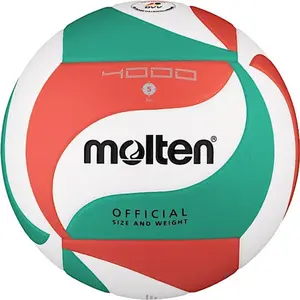
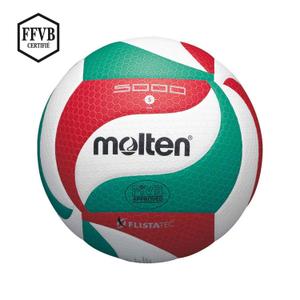
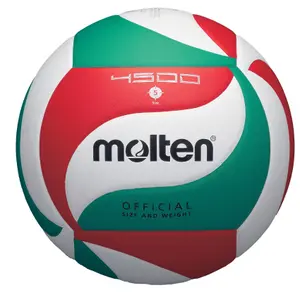
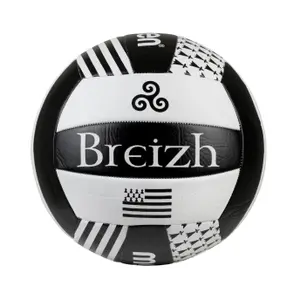
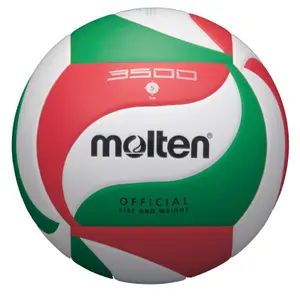
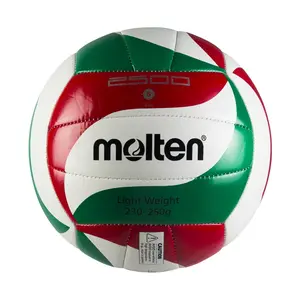
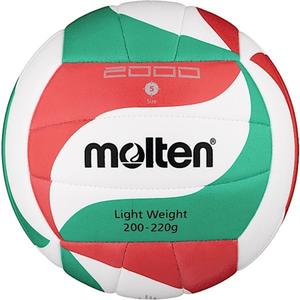
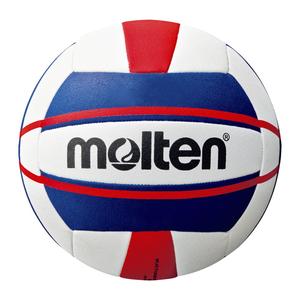
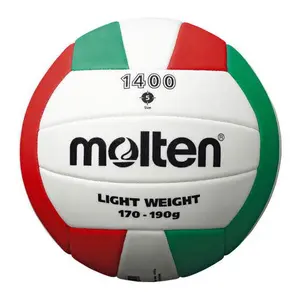
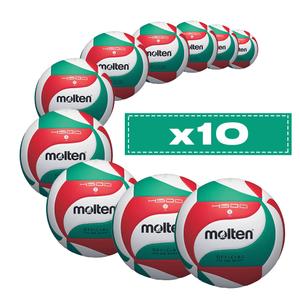
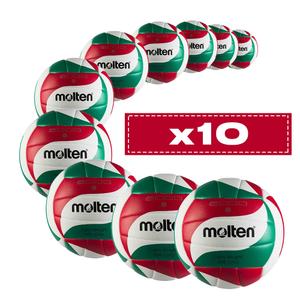
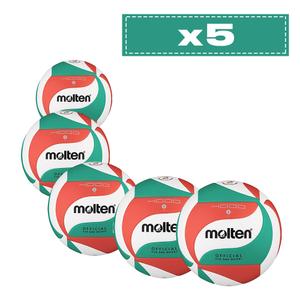
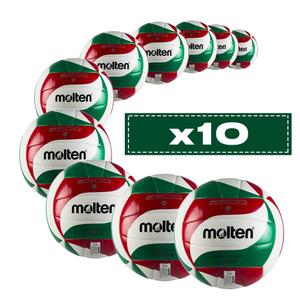
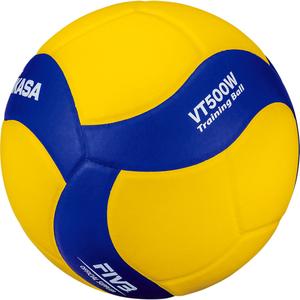
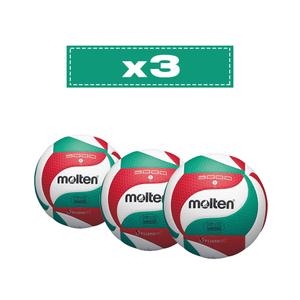
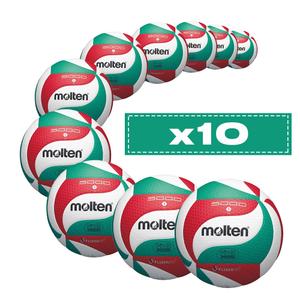
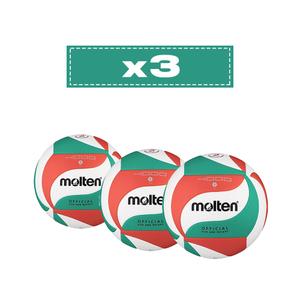
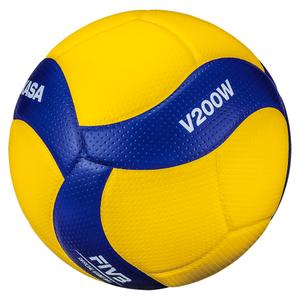
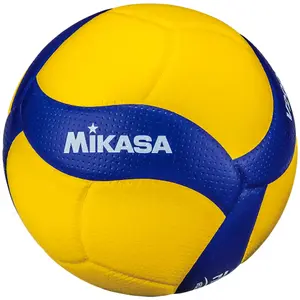
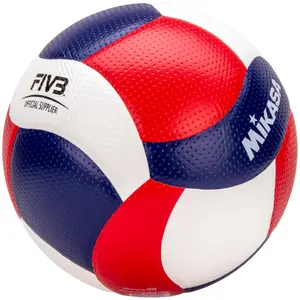
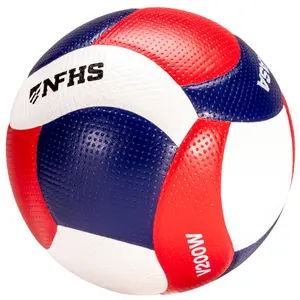
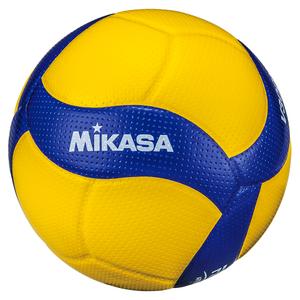
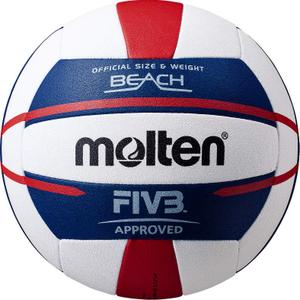
Pick the right volleyball for how you play match intensity, daily practice reps, beach sessions, or youth training. Here you’ll find trusted volleyball brands, clear ball types, and essential accessories like pumps, bags, nets, and posts to keep every session ready.
Volleyballs that match your level, your court, and your feel
A volleyball isn’t “one ball fits all.” The right choice depends on where you play (indoor vs beach), how often you train, and the touch you prefer soft control, crisp response, or extra durability.
What you’ll find in Volleyballs
- Volleyball brands you’ll see across clubs, schools, and competitive play: Mikasa, Molten, Nike, Wilson, and Baden Sports.
- Game balls built for match-level consistency reliable flight, confident hand feel, and controlled touch for serving, setting, and passing.
- Practice volleyballs designed for reps durable covers that handle frequent use while keeping a comfortable feel in serve-receive and drills.
- Beach & outdoor volleyballs made for sand and weather covers and construction tuned for outdoor conditions and longer sessions outside.
- Youth volleyballs to support learning options that make skill development easier by improving control and reducing “sting” for younger players.
- Volleyball accessories to keep your setup complete:
- Ball bags for transport and team organization
- Volleyball posts for stable net setup (where applicable)
- Volleyball nets for training spaces, clubs, and outdoor play
- Air pumps to maintain the right pressure and consistent performance
How to choose
- Start with where you play: Indoor volleyballs are built for controlled touch and consistent flight on court. Beach/outdoor volleyballs are designed to handle sand, sun, and outdoor use with a construction that suits open-air play.
- Pick the right type for your goal: If you want the closest match feel, choose a game ball. If you want maximum durability for high-volume training, a practice ball is usually the smarter choice.
- Choose the feel you like in hand: Covers vary in texture and softness. A slightly softer feel can be more comfortable for passing drills and long sessions, while a firmer, crisp touch can feel more “direct” on sets and serves.
- Think about consistency vs durability: Game balls prioritize performance consistency. Practice balls prioritize long-term wear. If you train often, having both can make sense: one for match prep, one for daily reps.
- Match the ball to the player: Youth players often benefit from volleyballs that are easier to control and more comfortable on contact. That can speed up learning in forearm passing and serving.
- Don’t ignore air pressure: Proper inflation is one of the simplest ways to improve touch and control. An air pump helps you keep pressure consistent so the ball behaves the same from warm-up to the last drill.
- Plan your setup with accessories: If you’re training outside a standard gym setup, nets and posts help you create a reliable practice environment. A ball bag keeps balls protected and organized for teams.
Who it’s for
This category is for anyone who plays or coaches volleyball club athletes building match consistency, schools running skill sessions, coaches organizing team training, and recreational players who want a ball that feels right every time you contact it.
If you play indoor, prioritize a ball that delivers predictable touch for serve-receive and setting rhythm. If you play outdoors, prioritize a ball made for beach conditions so it stays comfortable and dependable on sand. And if you’re buying for a younger athlete, choose a youth-friendly option that supports control and confidence as skills develop.
FAQ
What’s the difference between a game ball and a practice volleyball?
A game ball is built for match-level consistency in flight and touch. A practice volleyball is built to handle frequent training reps and long-term wear while staying comfortable to play with.Can I use an indoor volleyball outdoors?
You can, but it’s not ideal. Outdoor play (sand, rougher surfaces, weather) can wear an indoor ball faster. For beach or outdoor sessions, a dedicated beach/outdoor volleyball usually lasts longer and feels better in those conditions.What volleyball size should I choose?
Most teens and adults train and compete with the standard volleyball size used in organized play. For younger players, a youth volleyball can make control and skill development easier especially for serving and consistent passing.How do I know if my volleyball is inflated correctly?
The ball should feel responsive but not overly hard, with predictable rebound and comfortable contact on forearms and fingers. Using an air pump and keeping pressure consistent helps your touch stay consistent too.Which brand should I pick: Mikasa, Molten, Nike, Wilson, or Baden Sports?
Start with your priorities: match-like feel (game ball), durability (practice), or outdoor performance (beach). Brands vary slightly in texture and touch, so the “best” choice is the one that matches how you want the ball to feel in passing, setting, and serving.What accessories are most useful to buy with a volleyball?
An air pump is the #1 add-on for consistent performance. A ball bag helps protect and carry your gear, and nets/posts are useful if you’re building a training setup outside a standard gym environment.