Volleyball Accessories & Protective Gear
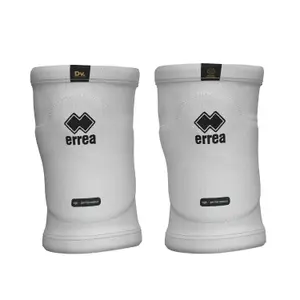
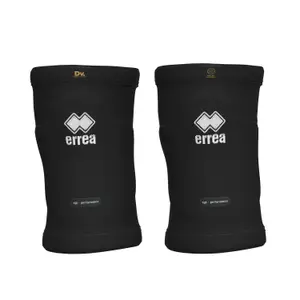
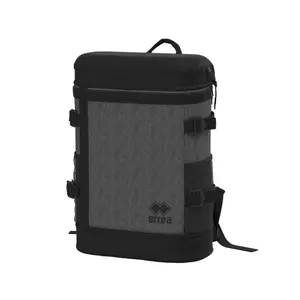
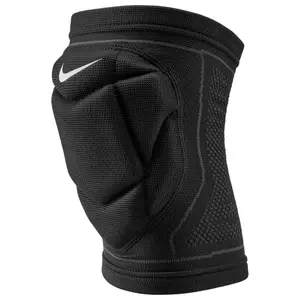
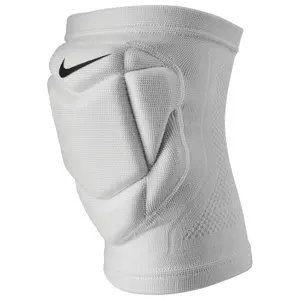
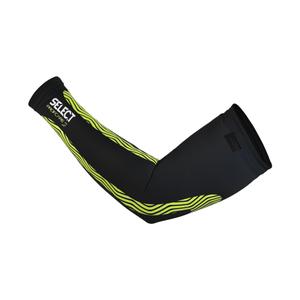
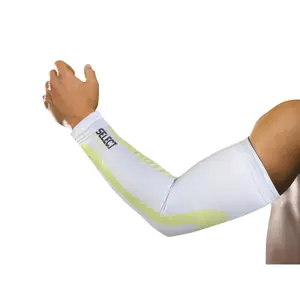
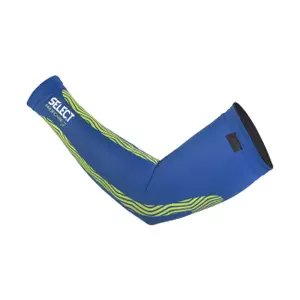
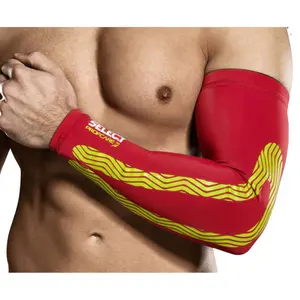
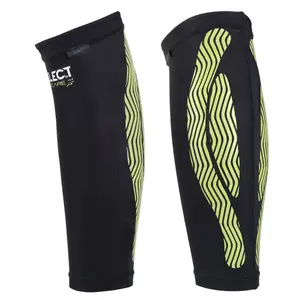
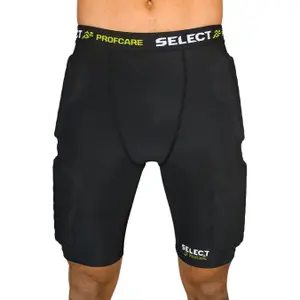
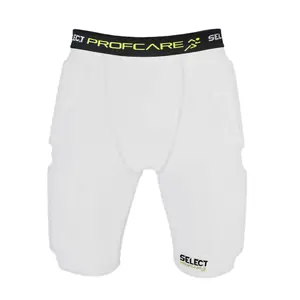


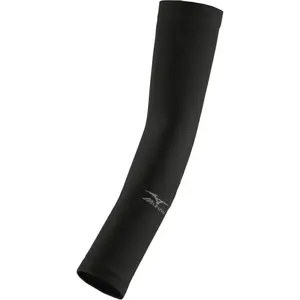
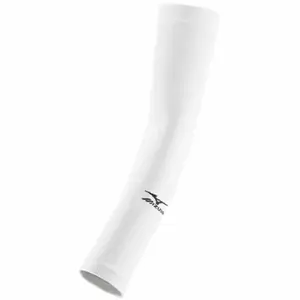
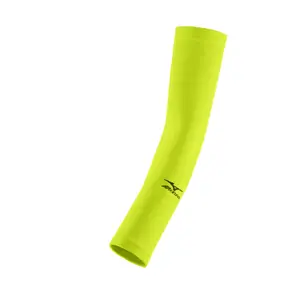
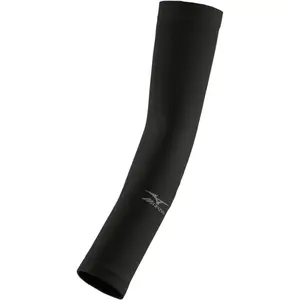
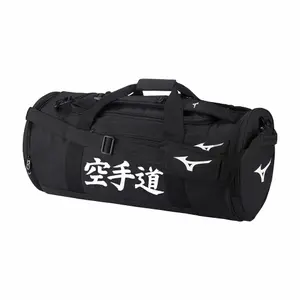
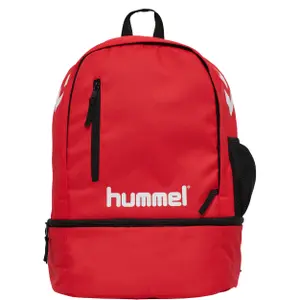
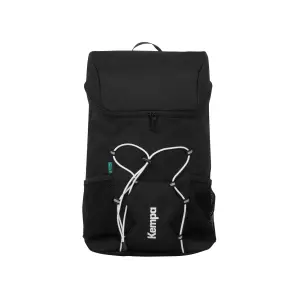
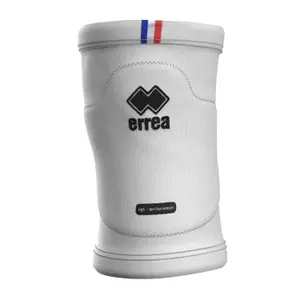
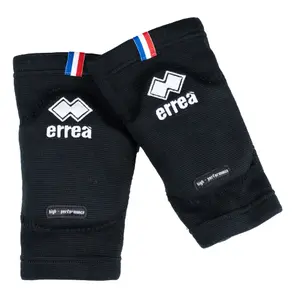
From knee pads and compression to bags, pumps, and taping essentials, this is where you build the “support gear” that keeps you comfortable and ready. Volleyball District helps you choose protections and accessories that fit well, hold up to training, and make game day smoother.
Accessories & protections: the gear that helps you play longer and feel better
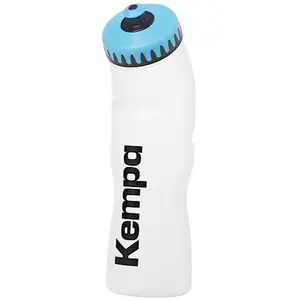
In volleyball, small equipment choices make a big difference. Protective gear reduces impact and friction, supports joints, and helps you move with confidence. Accessories keep your routine consistent hydration, ball pressure, recovery, and organization so you can focus on performance.
What you’ll find in Accessories & Protections
- Protective Gear for impact, support, and comfort:
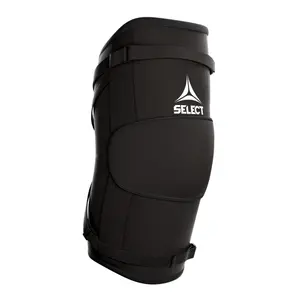
- Knee Pads for digging, defense, and repeated floor contact
- Compression sleeves and garments for support and muscle comfort
- Protective Sleeves for arms and legs when you want coverage and slide protection
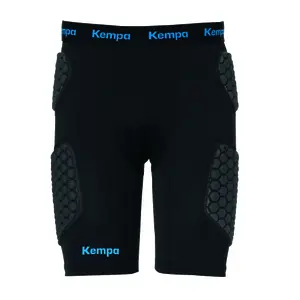
- Protective Shorts to reduce hip/thigh impact and add confidence on dives
- Elbow Guards for training drills and defensive sessions
- Ankles Guards for added stability and reassurance on landings
- Wrist & Finger Guards for extra support during setting, blocking, and contact-heavy play
- Shoulder Guards for athletes who want added protection and comfort around the shoulder area
- Accessories that keep you ready before, during, and after sessions
How to choose
- Pick protection based on your role: Liberos and defensive specialists often prioritize knee pads and protective sleeves for frequent floor contact. Middles and hitters may focus more on ankle support and comfortable compression for repeated jumps and landings.
- Get the fit right (especially knee pads): Knee pads should stay in place through movement and slides snug enough to avoid slipping, but not so tight that they cut circulation or restrict bending.
- Know the difference: compression vs protection: Compression supports muscles and can improve comfort, while protective pads/guards are about impact absorption and abrasion resistance. Choose based on what you’re trying to solve.
- Choose sleeves and shorts for how you move: If you dive often, look for coverage that reduces friction and adds confidence on contact. If you prefer quick movement, prioritize lightweight materials that don’t feel bulky.
- Tape with a purpose: Athletic tapes are best used for specific needs (support, protection, or blister prevention). Consistent technique matters aim for secure, comfortable wrap rather than “as tight as possible.”
- Keep ball pressure consistent: An air pump is one of the simplest upgrades you can make. Proper inflation improves touch, control, and repeatability especially in serve-receive and setting drills.
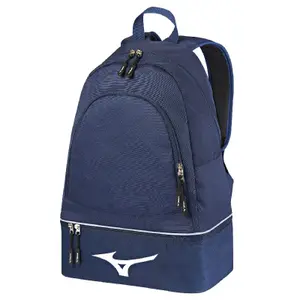
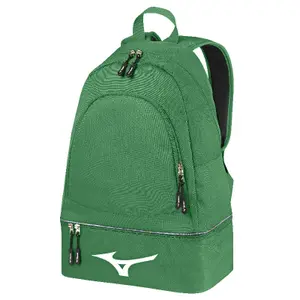
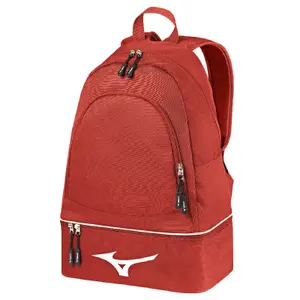
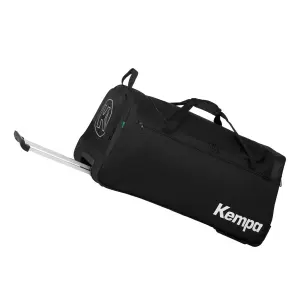
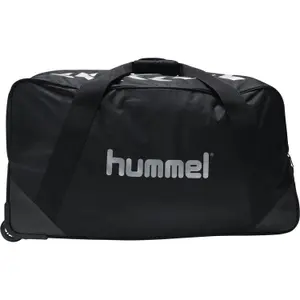
- Make your bag work for your routine: If you carry shoes, knee pads, and layers, a roomy sport bag or structured backpack is ideal. If you travel for tournaments, wheeled bags make long days easier. For team training, a ball bag keeps equipment organized.
- Plan recovery and care: Towels, creams, sprays, and basic medical gear help you manage small issues quickly so they don’t turn into bigger problems mid-week or mid-tournament.
Who it’s for
This category is for every volleyball player who wants to stay comfortable, protected, and consistent whether you’re training once a week or playing multiple matches across a tournament weekend. It’s also ideal for coaches and teams building a reliable kit for practices, travel, and match day logistics.
If you’re new to volleyball, start with the essentials: knee pads, a solid bag, and a pump. If you’re a regular competitor, add targeted support like compression or ankle guards, plus care items and taping gear that help you manage workload and recovery.
FAQ
Do I really need knee pads for volleyball?
If you play defense, train digging, or spend time learning floor moves, knee pads are one of the most useful pieces of gear. They reduce impact and make you more willing to commit to the ball.What’s the difference between compression and protective sleeves?
Compression focuses on supportive pressure and muscle comfort. Protective sleeves typically add coverage and abrasion resistance (and sometimes light padding) for floor contact and friction.Are ankle guards the same as braces?
They’re not always the same. Some are light supports for reassurance, while others are more structured. Choose based on the level of stability you want and how it feels during jumps and lateral movement.What bag is best for volleyball?
A backpack works well for day-to-day training. A larger sport bag is great if you carry extra layers and gear. If you travel often, a wheeled bag can make tournaments much easier. Ball bags are best for coaches and teams.Why is an air pump important?
Ball pressure affects touch and control. Keeping inflation consistent helps the ball behave the same across drills and match prep, improving repeatability in passing and setting.What should I keep in a basic volleyball care kit?
Tapes, a small medical kit, and a towel are a strong start. Add creams or sprays if you use them regularly, and keep items that help with friction, small strains, or quick support needs.