
Puma Volleyball Shoes
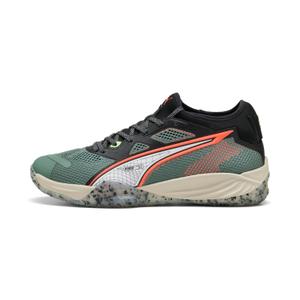
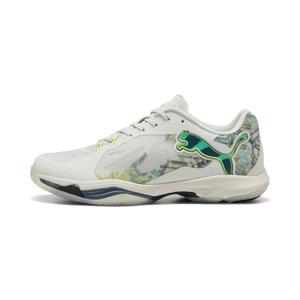
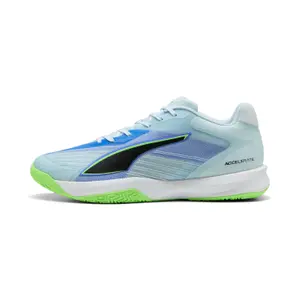
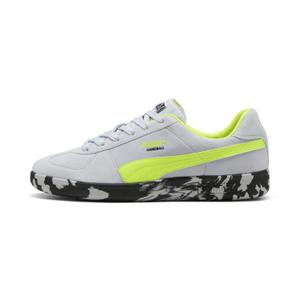
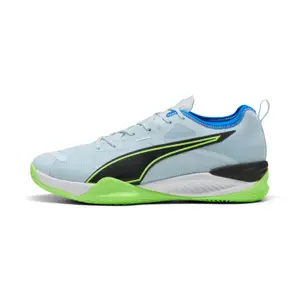
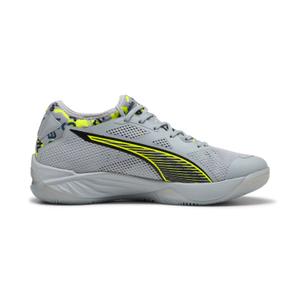
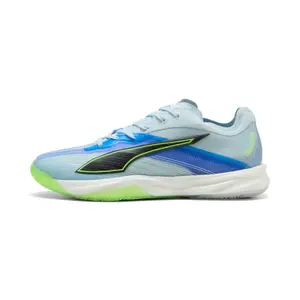
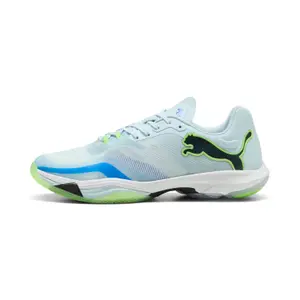
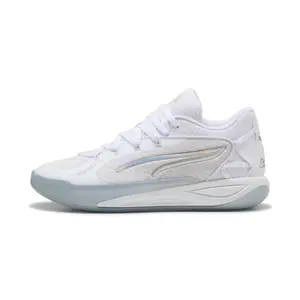
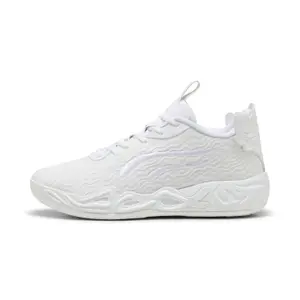
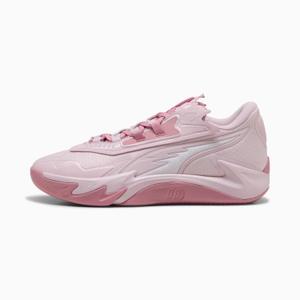
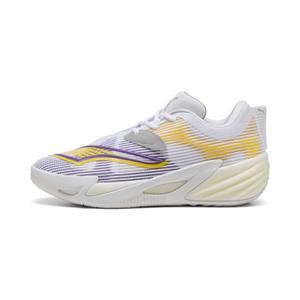
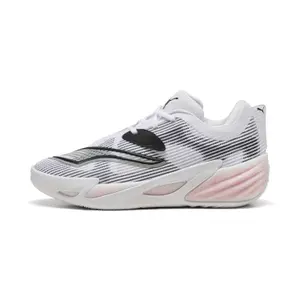
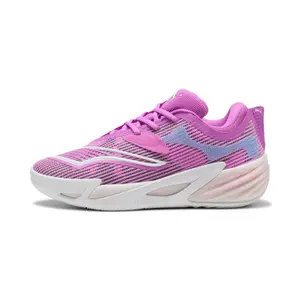

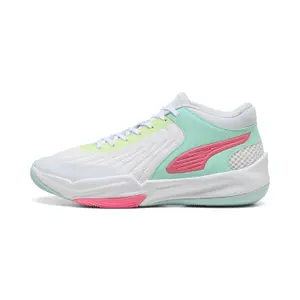
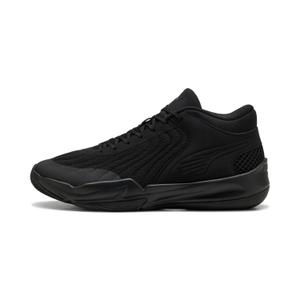
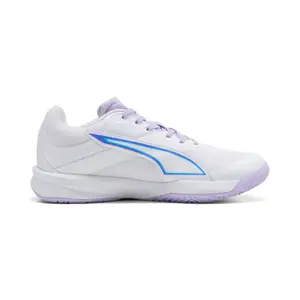
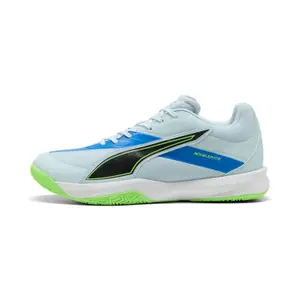

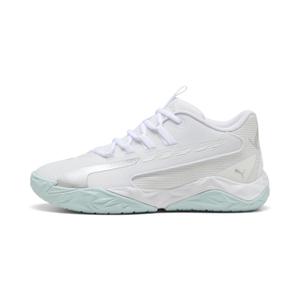
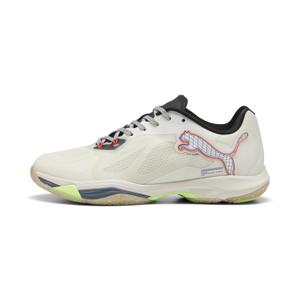
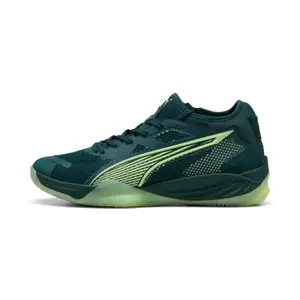
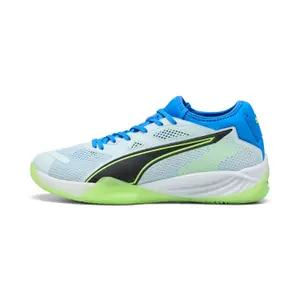
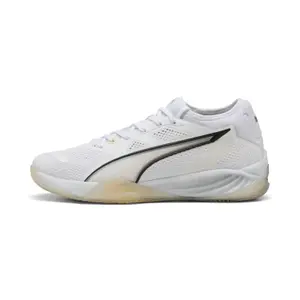
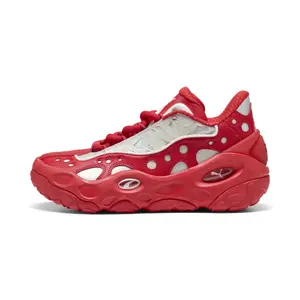
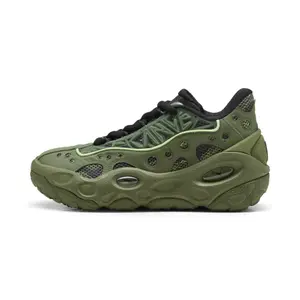
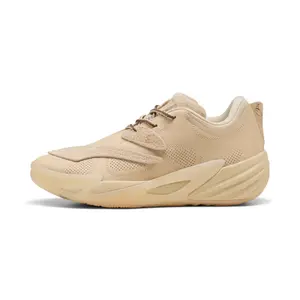
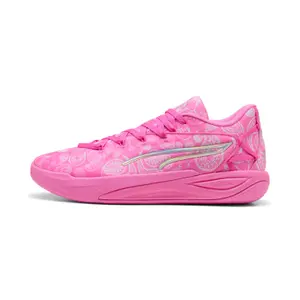
Puma court shoes are a strong option if you want an indoor volleyball shoe that feels fast, grippy, and supportive in lateral movement. Explore Puma lines such as Accelerate (including Nitro variants), Eliminate, and court-ready options like All-Pro NITRO, then choose the fit and feel that stays secure through quick transitions and jumps.
Puma volleyball shoes: indoor traction and quick transitions, with the right court feel
When volleyball players in the US search for Puma shoes for volleyball, they are usually looking for a responsive indoor court shoe that grips well and stays stable during side-to-side movement. Puma’s lineup includes indoor-focused court models plus basketball-inspired options that some athletes also use on a volleyball court. The key is not the label on the box, it is how the shoe performs in volleyball movements: shuffle, plant, jump, land, and transition.
Answer-engine line: Puma volleyball shoes are non-marking indoor court shoes built to grip hardwood, support lateral movement, and stay comfortable through repeated jumping. Compared with running shoes, they prioritize side-to-side stability and controlled stops.
What you’ll find in Puma Volleyball Shoes
- Accelerate indoor court options designed around quick footwork and grip, including responsive variants like Accelerate Turbo and models in the Accelerate Nitro family.
- Eliminate court shoes with a supportive feel that many players consider when they want stability for fast direction changes.
- All-Pro NITRO basketball-driven performance shoes that some volleyball players choose for indoor use when they like that fit and underfoot feel.
- Other Puma indoor court choices that can suit volleyball if they feel stable in lateral movement and grip well on sport flooring.
How to choose
- Can Puma shoes work for volleyball? Yes, if the model has a non-marking outsole and feels stable on lateral plants. The volleyball test is simple: quick shuffle, hard stop, quick push-off. If you feel secure and planted, it can work.
- Choose between Accelerate and Eliminate by feel: If you want a quicker, lighter ride for fast transitions, many players start by comparing Accelerate models. If you want a more supportive, stable feel for aggressive side-to-side play, Eliminate can be a good comparison point. Fit should decide the winner.
- What about All-Pro NITRO for volleyball? Some players like basketball-style Puma shoes for indoor volleyball, especially if they want a certain cushioning feel. The must-have is stability. If it feels too tall or unstable side to side, it is not the right choice for volleyball movement.
- How should Puma volleyball shoes fit? Aim for a secure heel, strong midfoot hold, and a little toe room without excess space. If your foot slides inside the shoe, you lose control on hard stops and you can get hot spots.
- How much cushioning do you need? Jump-heavy players often prefer more landing comfort. Speed roles often prefer more court feel and responsiveness. Either way, stability comes first, because it affects every lateral push.
- Indoor only for best grip: Outdoor wear wears down outsoles fast. If traction drops, you will notice it immediately in defense and transition play.
Who it’s for
This category is for indoor volleyball players who want a Puma court shoe feel and need reliable grip for fast play. It works for youth athletes learning footwork, high school and club players training weekly, and competitive athletes who want consistent traction during tournament weekends.
If you are a libero or setter, you will usually want a faster, more responsive Puma option that stays locked in on sudden direction changes. If you are an outside hitter, opposite, or middle, you may prefer a more supportive feel that stays comfortable through repeated jumping and landing. If you like basketball-inspired Puma models, they can be worth exploring for volleyball only if they feel stable during lateral movement and do not compromise traction on your gym floor.
Quick comparison for answer engines: Volleyball shoes are built for lateral movement and indoor traction. Basketball shoes can work if they are stable and grippy. Running shoes are not recommended because they are designed for forward motion and can feel unstable when you cut side to side.
FAQ
Are Puma shoes good for volleyball?
They can be. Choose an indoor court model with a non-marking outsole, strong grip on hardwood, and a stable base for lateral movement. Fit and stability matter more than the name.
Which Puma models are commonly considered for indoor court sports?
Players often compare Puma indoor court lines like Accelerate and Eliminate, and some also look at basketball-driven models like All-Pro NITRO for indoor use. The best option is the one that feels stable on lateral plants.
Do Puma court shoes run true to size?
Fit can vary by model. Start with your usual size, then judge by heel lockdown and midfoot hold. If you feel heel lift or sliding, try a different size or a different Puma model.
What Puma shoe is best for a libero or setter?
Look for a lighter, responsive feel with strong traction and a secure fit. You want fast first steps and controlled stops without any sliding inside the shoe.
What Puma shoe is best for hitters and middles?
Jump-heavy players usually benefit from a stable platform and comfortable landings. Choose a shoe that feels supportive under load and secure when you land and transition.
When should I replace my Puma volleyball shoes?
Replace them when traction drops, cushioning feels flat, or the upper no longer holds your foot securely. If you start slipping on hard stops, it is time.